### 테슬라와 로봇택시, 그리고 미래를 이끄는 FSD 기술의 현황 (English ver. follow)
1. 테슬라 FSD(Fully Self-Driving, 완전자율주행) 기술의 진전
- 최근 성과: 알티미터 캐피탈의 데이터를 보면, 테슬라의 FSD 비활성화 비율(운전자가 개입해야 하는 횟수)이 지난 1.5년간 대폭 감소하며 커다란 기술적 진전이 있음을 보여주고 있습니다.
- 버전 업데이트: FSD 버전 12에서 13까지 업그레이드되며, 숱한 개선 사항이 적용되었습니다. 특히 “생성형 AI”를 활용한 새로운 관점의 기술적 돌파구가 주목받고 있습니다.
- 웨이모와 차이점: 테슬라는 라이다 기술 대신 카메라 기반의 접근 방식을 택하고 있고, 웨이모처럼 운전석에 아무도 필요 없는 완벽한 자율 주행이 목표입니다.
2. 로봇택시 시장의 격돌: 테슬라와 우버
- 테슬라의 전략: 테슬라는 로봇택시를 자사의 독립적 플랫폼으로 운영할 계획입니다. 즉, 기존 우버의 네트워크에 의존하지 않으며 “바퀴 달린 에어비앤비”처럼 개인 소유 차량을 통해 서비스를 제공하려 합니다.
- 우버에 미치는 영향: 우버는 여전히 차량 공유 시장의 강자로 자리하고 있으나, 테슬라의 로봇택시가 시장을 장악할 경우 우버의 입지는 크게 위협받을 것으로 예상됩니다.
- 웨이모의 행보: 현재 웨이모는 우버와 파트너십을 통해 서비스를 확장하기도 했지만, 최근 일본 택시 회사와 협력하며 독립 전략도 병행하고 있습니다. 이는 플랫폼 독립성을 향한 의도로 보입니다.
3. 시장 전망과 변수
- 2025년 자동차 시장: SNP 글로벌 모빌리티에 따르면, 2025년까지 전 세계적으로 신차 판매는 1.7% 증가할 예정. 전기차 시장 역시 2024년 대비 30% 급성장할 전망입니다.
- 규제와 정책 변화: 2025년 미국 행정부의 정책 변화와 인플레이션 등 경제적 요인이 자동차 판매와 전기차 보조금에 직접적으로 영향을 미칠 가능성이 높습니다. 따라서 테슬라의 로봇택시 및 자율주행의 상용화에도 크게 좌우될 것으로 보입니다.
4. 소비자 관점: 진화하는 FSD 성능
- 현재 제한점: 테슬라의 FSD는 여전히 “안전 운전자”의 개입이 필요합니다. 반면, 웨이모는 이미 완전히 무인으로 정기적 서비스를 제공할 만큼 성숙한 모습을 보이고 있습니다.
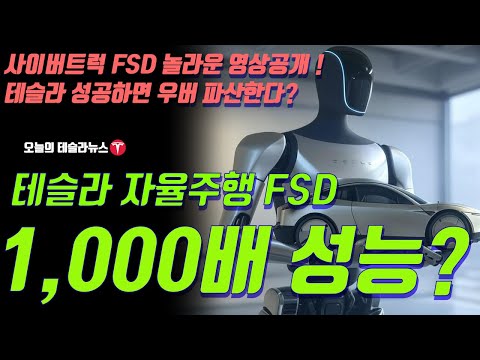
- 미래 발전 가능성: 테슬라의 FSD는 매 1.5년마다 1000 배 이상의 성능 개선을 기록하고 있으며, 2026년까지 인간 운전자에 견줄 수 있을 정도의 실력을 가질 것이라는 낙관적 전망도 나왔습니다.
5. 결론: 테슬라 vs 우버, 그리고 새로운 패러다임
- 승자 독식의 구조: 로봇택시 시장은 경제학적으로 승자독식 구조가 될 가능성이 높습니다. 테슬라는 독립적 플랫폼으로, 우버는 파트너십 전략으로 대응하고 있으나 결국 성공 여부는 기술의 성숙도와 소비자 신뢰, 제도적 지원에 달려 있습니다.
- 테슬라의 가능성: 일론 머스크의 비전에 따라 FSD 기술과 로봇택시가 시장에 안착하면 테슬라의 수익 구조는 자동차를 넘어 완전히 새로운 단계로 진입할 가능성이 큽니다.
- Crafted by Billy Yang
[관련글 at NextLens.Net]
- 테슬라 자율주행 FSD x1,000 배 성능 개선? 사이버 트럭 FSD 놀라운 영상공개! 테슬라 성공하면 우버 파산한다 인터뷰 번역!
[English Summary]
Tesla, Robotaxis, and the Current State of FSD Technology Leading the Future
1. Advancements in Tesla FSD (Fully Self-Driving) Technology
- Recent Progress: Data from Altimeter Capital shows that Tesla’s FSD disengagement rate (the number of times a driver needs to intervene) has significantly decreased over the past 1.5 years, indicating substantial technological progress.
- Version Updates: Upgrades from FSD version 12 to 13 have introduced numerous improvements. Particularly noteworthy is the technological breakthrough utilizing “generative AI.”
- Differences from Waymo: Tesla is pursuing a camera-based approach instead of lidar technology, aiming for complete autonomous driving where no one is needed in the driver’s seat, unlike Waymo.
2. Clash in the Robotaxi Market: Tesla and Uber
- Tesla’s Strategy: Tesla plans to operate robotaxis on its own independent platform. This means it won’t rely on existing networks like Uber and will aim to provide services through privately owned vehicles, similar to a “wheeled Airbnb.”
- Impact on Uber: While Uber remains a dominant player in the ride-sharing market, Tesla’s robotaxis could pose a significant threat if they capture the market.
- Waymo’s Moves: Waymo has expanded its services through partnerships with Uber but has recently collaborated with a Japanese taxi company, indicating a move towards an independent strategy. This suggests a desire for platform independence.
3. Market Outlook and Variables
- 2025 Automotive Market: According to SNP Global Mobility, new car sales are projected to increase by 1.7% globally by 2025. The electric vehicle market is also expected to grow by 30% compared to 2024.
- Regulatory and Policy Changes: Policy changes from the U.S. administration and economic factors like inflation in 2025 are likely to directly affect car sales and electric vehicle subsidies. This could significantly influence the commercialization of Tesla’s robotaxis and autonomous driving.
4. Consumer Perspective: Evolving FSD Performance
- Current Limitations: Tesla’s FSD still requires the intervention of a “safety driver.” In contrast, Waymo is already offering fully driverless, regular services, demonstrating a more mature state.
- Future Potential: Tesla’s FSD has been improving its performance by over 1000 times every 1.5 years, and there is an optimistic outlook that it will match human driver capabilities by 2026.
5. Conclusion: Tesla vs. Uber, and a New Paradigm
- Winner-Take-All Structure: The robotaxi market is likely to have a winner-take-all structure. Tesla is pursuing an independent platform approach, while Uber is using partnerships, but ultimately, success will depend on technological maturity, consumer trust, and regulatory support.
- Tesla’s Potential: If FSD technology and robotaxis become established in the market, as per Elon Musk’s vision, Tesla’s revenue structure could evolve beyond cars into entirely new areas.
- Crafted by Billy Yang
[Related Articles at NextLens.Net]
- Tesla
- [Electric Vehicles](https://nextlens.net/?s=Electric Vehicles)
*YouTube Source: [오늘의 테슬라 뉴스]
- 테슬라 자율주행 FSD x1,000 배 성능 개선? 사이버 트럭 FSD 놀라운 영상공개! 테슬라 성공하면 우버 파산한다 인터뷰 번역!
Leave a Reply