
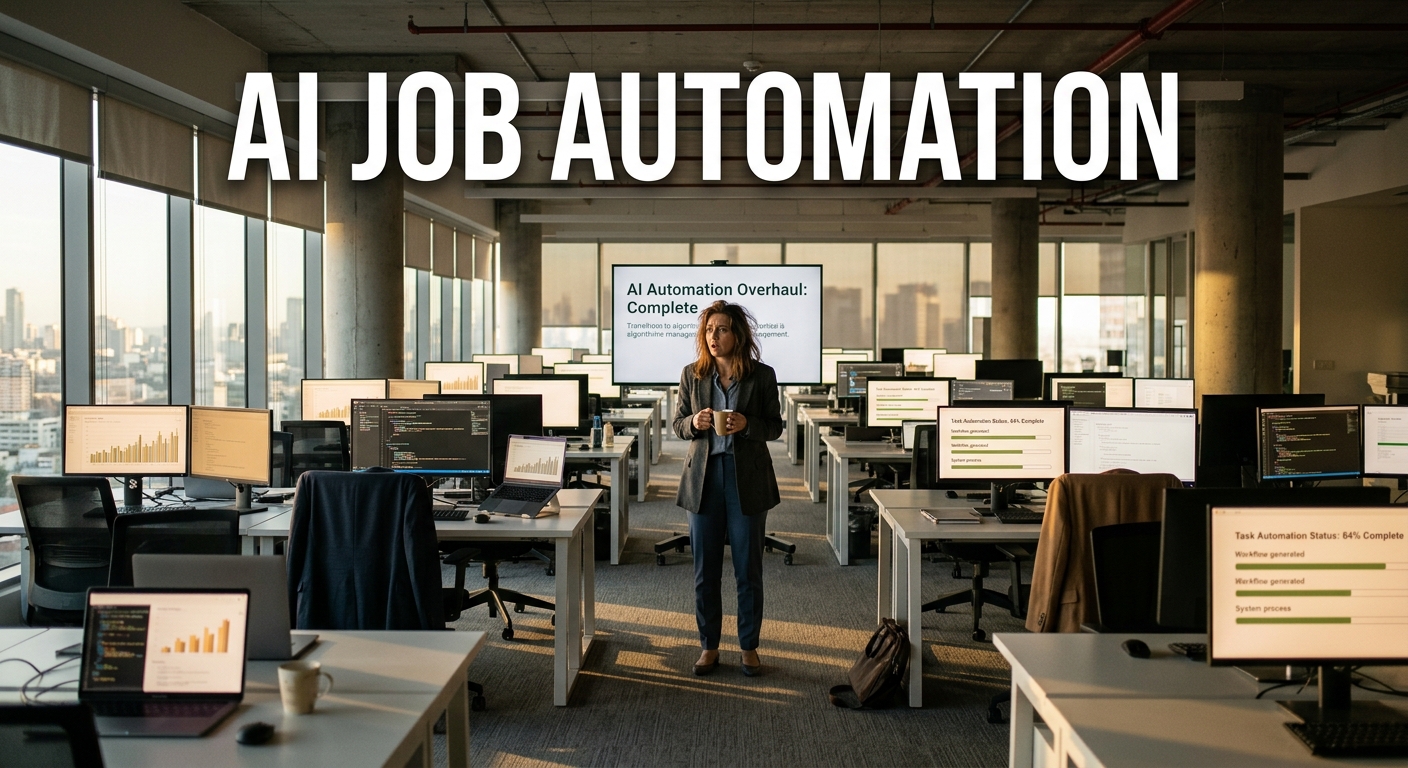
● AI Overhauls Jobs Overnight
The Survival Formula in the AI Era: Turn ‘This’ On Before Moving Your Hands (Figma vs Claude)
If you read this article to the end today, you will discover the secret of the ‘real way of working’ that will increase your value tenfold amidst the latest generative AI trends, going beyond simple tool usage.While others are just writing simple emails with ChatGPT, I will clearly dissect, like a news briefing, how leading professionals are completely overhauling their workflow processes.Especially, do not miss the crucial core point insight hidden here—a ‘shift in mindset’ rather than a ‘simple switch of tools’—which YouTube or other economic news never tells you.From now on, let’s dive right into the fascinating scene that will completely change our daily tasks.
[Field Report] “Think while making?” The Conventional Method That Was a Continuous Desperate Thirst
We usually have a habit of opening familiar work tools first when starting a task.If you are a designer, you would unconsciously open Figma as soon as you receive a plan or requirements, and try to set the direction by drawing screens first.This is because, in the past, it was believed that producing and showing as many diverse draft designs as possible was the virtue of a good designer.However, this so-called ‘thinking while making’ approach has a fatal flaw.Even if the initial direction is slightly off, the painstakingly created results must be completely redone from scratch, and unnecessary revisions and communication costs snowball.Ultimately, it was a structure where overtime dragged on, time continued to pile up, and the worker had no choice but to become exhausted.
[Paradigm Shift] People Who Open Claude Before Figma
Now, smart and agile professionals are completely reversing the order of that work.For groundbreaking work productivity improvement, instead of recklessly moving the mouse first, they turn on the AI, ‘Claude’, first.They open Claude and converse with the AI to perfectly organize everything from the planning stage, asking “why this task needs to be done now,” “which direction is valid,” and “what needs to be decided as the top priority.”Only when the framework of thought and the purpose of the work are solidly established do they open Figma and dive into full-scale design.When done this way, they can go straight toward the goal without wavering, making the task itself surprisingly simple and clear.It is not that they blindly reduced the number of drafts, but rather they fundamentally blocked unnecessary trial and error itself.
[Data Verification] The Shift in Work Methods Proved by Screen Time
When analyzing the actual screen time (app usage time) data of workers, this massive change becomes even more apparent.While in the past they spent most of their daily routine trapped inside Figma, now the time spent connected to Figma has noticeably decreased.Instead, Claude has taken over that empty space, and the time spent communicating with AI and materializing ideas has overwhelmingly increased.This absolutely does not have the superficial meaning of simply using a specific tool less.It is perfect proof that, amidst the massive current of digital innovation, the individual workflow process itself has shifted to a higher dimension from being ‘execution’ centric to ‘design’ centric.
[Exclusive Insight] The ‘Hidden One Inch’ That Other Media Never Talk About
Usually, looking at YouTube or common IT articles, they only emphasize provocative results like “If you use AI, a task that takes six hours is reduced to one hour!”However, the real core point experienced in the field is absolutely not that.The key takeaway is not that the total amount of work time has magically disappeared, but that the qualitative proportion of ‘where and how the given time is spent’ has completely changed.In the past, it was merely ‘time solved by hands (simple labor)’, spending the entire six hours moving pixels and modifying drafts.Now, even if you spend the same six hours, a significant portion of it is spent as ‘time to organize thoughts and sharply refine the direction (strategic planning)’.In other words, it is not that the amount of design you have to do has decreased, but that you are now able to finish the ‘real thinking you must do’ first before entering into full-scale tool work.Only those who accurately catch this fundamental change and apply it to their work will preempt overwhelming business competitiveness in the fierce market ahead.Ultimately, the victory is determined not by ‘who churns out more results like a factory’, but by ‘who starts more accurately and sharply’.This is exactly the survival method and success formula of the top one percent of experts who will not be replaced in the upcoming Fourth Industrial Revolution era.(In the next article, I plan to reveal specific practical know-how on how you can immediately set up and apply this method to your work from the perspective of designers and professionals, so please look forward to it!)
< Summary >
In the past, frequent revisions and time wasting occurred because people recklessly opened tools (Figma) and ‘thought while making’.However, the paradigm of work has now changed to a method of ‘thinking and organizing perfectly before making’, by turning on AI (Claude) first to establish the purpose and direction.It is not simply that work time has been shortened, but that the time previously poured into manual work is now invested in strategic contemplation and planning.Ultimately, in the AI era, someone who starts accurately in the right direction is overwhelmingly more advantaged than someone who makes a lot of things.
[Explore Related Articles]
The Secret of Global Companies That Exploded in Growth After Adopting Generative AI
2026 Economic Outlook: The Massive Upheaval in the Job Ecosystem Brought About by Work Automation
*Source: https://brunch.co.kr/@ponyodesign/9
Leave a Reply